

My No-Gym Travel Workout: Similar Routine, New Location:
If you’re trying to stay consistent without access to a gym, this no-gym travel workout is the exact routine I use to stay consistent while traveling. It follows a simple three-day split, requires no equipment, and removes the need to “figure something out” while traveling. Want this as a free printable PDF you can take on the road? Drop your email and I’ll send it over.
At home, my routine runs like clockwork. With a go-to gym and fixed workout times, everything feels automatic. But travel used to throw me off completely. No gym, no structure, no motivation, and suddenly workouts just didn’t happen. If you’ve ever struggled with motivation while traveling (especially in colder months), you’ll probably relate to my winter travel fitness approach, where adapting your expectations makes all the difference.
That’s why I stopped winging it. Instead, I adapted my Vienna routine into something travel-proof: a no-gym setup that keeps me consistent wherever I am. I plan it before I leave, so when the time comes, there are no decisions left to make, just the workout in front of me.
This no-gym travel workout is designed for active travelers who want structure without relying on gym access or equipment.

From Vienna to Wherever: Making the Routine Travel
When I adapted my Vienna routine into a no-gym travel workout, the most important change wasn’t about swapping barbells for bodyweight—it was about keeping things realistic.
Rather than rely on perfect conditions or hotel gyms, I created a system that works anywhere. Therefore, I kept the structure that works for me: three focused sessions per week, each one hitting the major muscle groups using only bodyweight movements. It’s simple, flexible, and most importantly, sustainable—whether I’m jet-lagged, short on space, or just trying to squeeze in a workout between exploring the city and a good local breakfast. And if you do have access to outdoor space, I’ve found that training outside can completely change the experience, especially in places like Vienna, where outdoor workout spots make it easy to stay active without a gym.
For me, having some wiggle room is essential. That means, if my travel schedule changes, I adapt—move a session, tweak the reps, or add a quick core burner if I’m feeling good.
This approach helps me stay consistent without becoming rigid. Plus, it definitely makes that afternoon cappuccino and pastry feel well-earned. When I’m on the go, I also rely on simple snacks to stay fueled, especially protein bars that are easy to carry and keep me going between workouts and exploring. I usually keep one in my bag at all times so I don’t end up skipping meals or relying on random snacks.
My Go-To 3-Day Bodyweight Split for Travel
Just like my gym routine, this travel-friendly lower body plan targets the quads, glutes, hamstrings, calves, and lower back. Here’s my routine adapted for travel:
My two-week rotation:
Week 1:
Day 1: Lower Body A
Day 2: Upper Body A
Day 3: Lower or Upper B
Week 2:
Day 1: Upper Body B
Day 2: Lower Body A
Day 3: Upper Body A
Workouts
Lower Body Workout A
- Reverse Lunges
- Wall Sit 30-60 sec.
- Single-Leg Glute Bridge
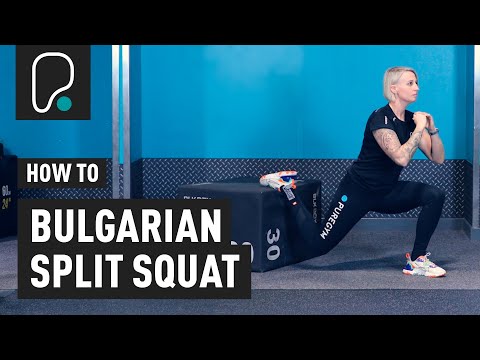
- Bulgarian Split Squat (using a chair, low step, or even a stable bench if you have one nearby)
- Double-Leg Calf Raises
- Superman Hold




Lower Body Workout B
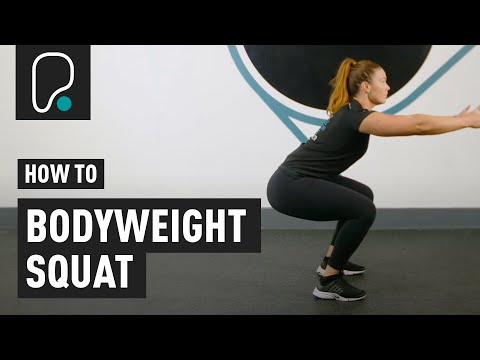
- Bodyweight Squats
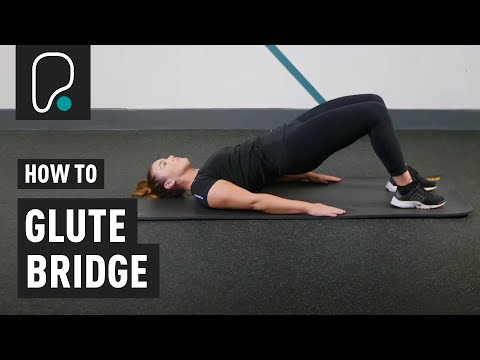
- Glute Bridge
- Curtsy Lunges
- Single-Leg Calf Raises
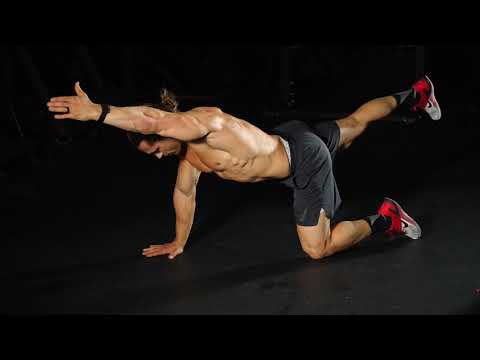
- Bird-Dog


Rep Range
Since no-equipment exercises rely on your body weight for resistance, the key to muscle growth and strength is higher reps and longer holds compared to weighted gym exercises. Aim for:
- Strength & muscle endurance: 15–25 reps per set for most dynamic exercises (like squats, lunges, glute bridges).
- Isometric holds (e.g., wall sits, superman hold): 30–60 seconds per set.
If you can easily perform more than 25 reps or hold a position comfortably for over a minute, it’s time to increase the challenge.


Upper Body Workout A
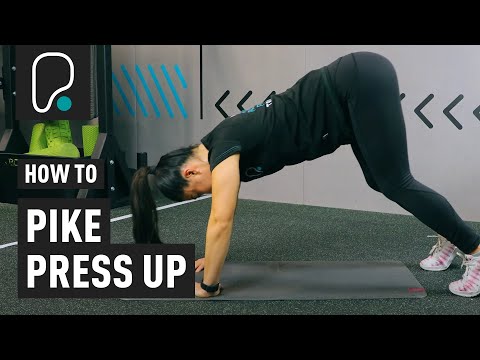
- Pike pushup
- Incline Pushup
- Reverse Snow Angels
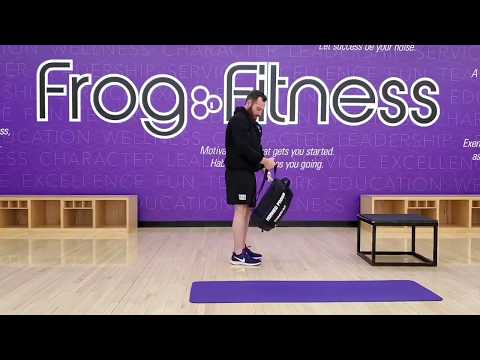
- Backpack Curls
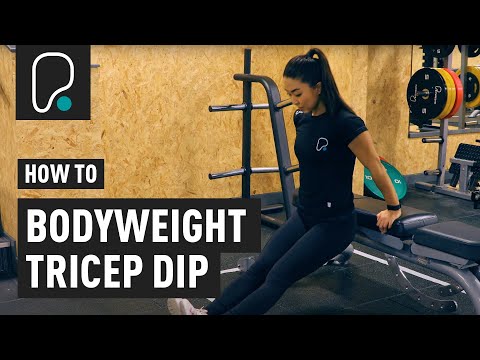
- Triceps Dips (using a chair, low step, or even a stable bench if you have one nearby)
- Abs: Thenx


Upper Body Workout B
- Wide pushup
- Lateral Raises (grab an item)
- Y-Raises
- Superman Swimmers
- Towel Curls
- Diamond Push-Ups
- Abs: TRAIN WITH GAINSBYBRAINS
For bodyweight workouts, aim for 3–4 sets of 10–20 reps for most dynamic exercises like push-ups, dips, lunges, and curls. Isometric holds, such as wall sits, superman holds, or Y-raises, should be held for 20–60 seconds per set.
A couple of the links below are affiliate links. If you buy through one, I get a small cut and you pay exactly the same.
My Go-To Travel Workout Essentials
Even though this routine works without any equipment, there are a few small things that make it easier and more effective when I have them with me:
- Resistance bands → lightweight, easy to pack, and perfect for adding intensity
- Foldable yoga mat or towel → for more comfortable floor workouts
- Protein shaker → makes it easier to stay on track with nutrition after workouts
None of these are essential, but they’re the small extras that I’ve found make a big difference over time.
Why These Moves Work
What makes these exercises so effective is that they hit the same muscle groups you’d train in the gym—just using your own bodyweight. In fact, research from Harvard Health confirms that bodyweight workouts can improve strength, balance, and endurance, no equipment needed. Moves like push-ups, squats, and lunges work multiple muscles at once, making them super efficient.
Moreover, adding in single-leg or single-arm variations cranks up the intensity and forces your body to stay balanced and stable, which is great for building control and coordination. Isometric holds (like wall sits or superman holds) keep your muscles under tension longer, which helps build strength and endurance without needing any equipment. Since you’re moving through a full range of motion, you’re also keeping your joints happy and mobile.
Put it all together with the right rep ranges, and you’ve got a travel-friendly routine that actually delivers results.
Progressive Overload Without Weights
To keep improving strength, muscle tone, and endurance in both lower and upper body exercises without weights, gradually increase the challenge by:
- Increasing reps or sets: Do more repetitions per set or add extra sets to your routine.
- Slowing down the movement: Perform exercises slowly, especially during the lowering (eccentric) phase, to increase muscle tension.
- Adding pauses: Hold the most challenging position of the exercise for 1–3 seconds to boost muscle activation.
- Using unilateral or single-limb variations: Work one side of your body at a time (like single-leg glute bridges or single-arm push-ups) to increase difficulty and engage stabilizer muscles.
- Reducing rest time: Shorten breaks between sets to improve muscular endurance and overall workout intensity.
The Real Secret: Flexibility + Consistency
Ultimately, this routine works because it bends with your life. Missed a session? No worries. Swap days or double up lightly when you have time. Feel like a quick walk or jog? That’s bonus recovery and sanity time right there.

Fitness on the road isn’t about perfection—it’s about showing up for yourself in whatever way fits your schedule and space.
Final Thoughts for Travelers
You don’t need a gym or fancy equipment to stay strong on the road. This no-gym travel workout respects your busy life, in a hotel room or a city park, and keeps you progressing without stressing your schedule. Plus, it’s easy to shuffle around days without losing momentum.
And hey, don’t forget to treat yourself to local goodies now and then. Balance is everything. Just like in Vienna, a little indulgence paired with smart, flexible training keeps me sane no matter where I am. Give it a try on your next trip. Your body (and taste buds) will thank you.
Do you stick to a routine while traveling, or do you prefer to go with the flow? I’d love to hear what works for you.
Want a routine as a printable you can take with you? Grab the free PDF version below and run it from anywhere.


